


Adventures
Rainy Day Adventures: How to Explore Outdoors Without Getting Miserable
September 20, 2026
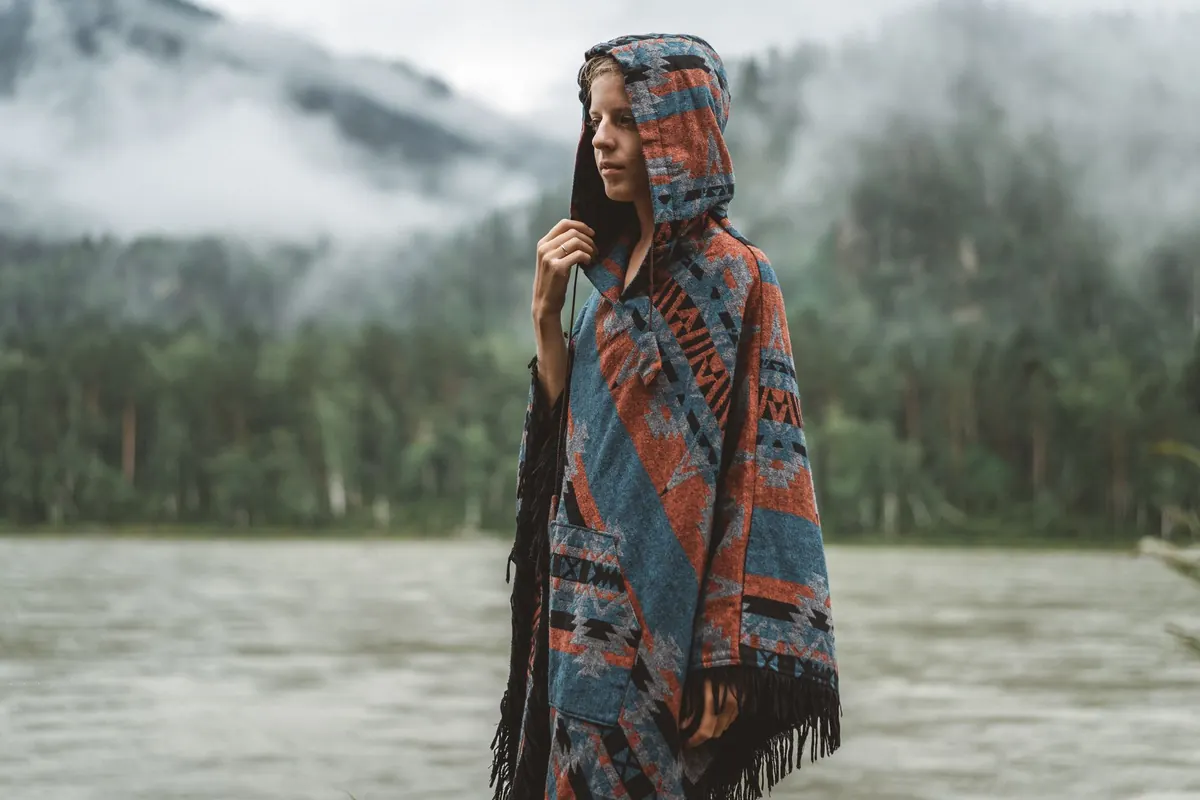
The rain starts twenty minutes into the walk. Somewhere ahead, a puddle the width of the path is waiting for you. What happens next depends less on luck than on a few decisions made before you left the house: what you wore, what you packed, and where you chose to go. Wet weather walking can be genuinely lovely — mist in the trees, empty trails, the smell of leaf litter — but only if you planned for it. Here is how to make a rainy day outside something you look forward to rather than endure.
Plan the Walk Around the Weather
A forecast is not just a yes or no on rain. Look at three things: how heavy, how long, and how windy. A steady drizzle with no wind is a very different walk from horizontal rain on an exposed ridge. Wind is usually the part that makes people miserable, and it makes waterproofs feel colder than they should.
Choose a route with cover. Woodland paths, sheltered valleys, canal towpaths and low-level loops all work well in wet weather. Save the open moorland and coastal headlands for another day. If you are walking near the coast, tide times matter as much as the forecast.
Keep it short. A three-to-five-kilometre loop you know well beats a ten-kilometre expedition when the paths are greasy and daylight is short. Build in an escape route — a shortcut back, a bus stop, a café that does not mind wet coats.
Think about the surface, too. Sandy heathland drains quickly. Clay and chalk turn slick and hold water. Peat stays wet long after the rain stops. If your route crosses farmland, expect mud around the gates.
Tell someone your route and expected return time, and carry a charged phone in a dry bag. Off-road, a paper map will not run out of battery.
Layers: Waterproof, Warm and Actually Comfortable
Three layers do most of the work: something against your skin that moves sweat away, something warm, and something waterproof on top.
Skip cotton as a base layer. Once it is wet it stays wet and pulls heat from your body. A synthetic or merino top is far better. Over that, fleece or wool adds warmth even when slightly damp. Then comes a waterproof shell with taped seams, a hood that turns with your head, and cuffs you can tighten down.
Waterproof trousers are the piece most people leave at home and the one they regret. A light pair that packs into its own pocket weighs almost nothing and turns a soggy trudge into a comfortable walk. Check the label, too: “water-resistant” is not the same as waterproof.
Breathable fabrics still need help. Open the pit zips when you are climbing, then close them when you stop. Tighten the hem drawcord in wind so the jacket does not balloon.
What to put in the pack
- A waterproof jacket and trousers, both with taped seams
- A warm mid-layer in a dry bag, so you have something dry to pull on at the top
- A hat and thin gloves — hands get cold fast when they are wet
- A small microfibre cloth for glasses, camera lenses and hands
- Water and a hot drink in a sealed flask
Stay on Your Feet on Slippery Ground
Most wet-weather falls happen on a short list of surfaces: wet roots, smooth rock, wooden boardwalks, metal gates, wet grass and mud. Learn to spot them and step around or over rather than through.
Change how you walk. Take shorter steps and keep your weight over your feet. Plant the foot flat rather than landing on the heel. Bend your knees a little and lower your centre of gravity, especially on descents. Walking poles give you two extra contact points and take pressure off tired knees on long downhill sections.
Boots with deep tread help, but tread only works when it is clean. Mud packed into the lugs gives you the grip of a smooth sole, so scrape it out with a stick when you notice it.
Crossing water deserves respect. Streams rise quickly after rain and can be deeper and faster than they look from the bank. If a crossing looks questionable, turn back or find another way round. Never wade fast-moving water above your knees.
Make the Rain Part of the Fun
The trick with children — and with reluctant adults — is to give the weather a job. Rain is not a spoiler. It is the reason the woods smell like that, the reason the streams are roaring, and the reason the puddles are worth jumping in.
- Set a puddle challenge. Who can find the deepest one without getting soaked above the knees? Agree the rules before anyone starts.
- Hunt for waterfalls. After heavy rain, small cascades appear in gullies that run dry most of the year.
- Listen properly. Rain on leaves, on a tarp, on a hood. Stop for a full minute and do nothing else.
- Build something. A dam across a small stream, a shelter from fallen branches, a raft of twigs.
- Photograph water: droplets on moss, reflections in puddles, mist between trees.
- End with a reward. A flask of soup at a viewpoint, or chips on the way home.
With kids, aim for a shorter walk than you think you need, and leave a full spare set of clothes in the car. Let them get muddy. The memory will last longer than the laundry. On your own, rain is a good excuse to visit the places crowds avoid — woods in drizzle are quiet and green, and you will often have the trail to yourself.
Coming Home: A Dry-Off Routine That Keeps You Willing
The last twenty minutes matter more than people admit. A wet walk that ends in a cold hallway with boots sitting in a puddle makes you less likely to go again. Set up a landing zone before you leave: an old towel by the door, a bag for wet kit, a hook for jackets. Peel off wet layers at the door, not on the carpet.
Rinse mud off boots with cool water and let them air dry away from radiators and direct sun — heat cracks leather and damages waterproof membranes. Hang waterproofs inside out to dry, and reproof them when water stops beading on the surface. Damp mid-layers go straight into the wash rather than the bottom of a bag.
Hot drinks, dry socks and a proper meal do a lot for morale. So does checking tomorrow’s forecast while you are still warm: the next walk is easier to agree to when the kit is already dry and waiting by the door.
A note on cold: if someone is shivering uncontrollably, confused or unusually clumsy, get them out of the wind and wet, into dry layers and warmth, and seek medical advice rather than pushing on.
Photo: Kirill Lazarev / Pexels
Related posts
More stories you’ll love reading